
Monday to Friday: 09:00am – 07:00pm
Sunday: Close
Email:stemhighpreschool@gmail.com
Phone:+91 8050125666
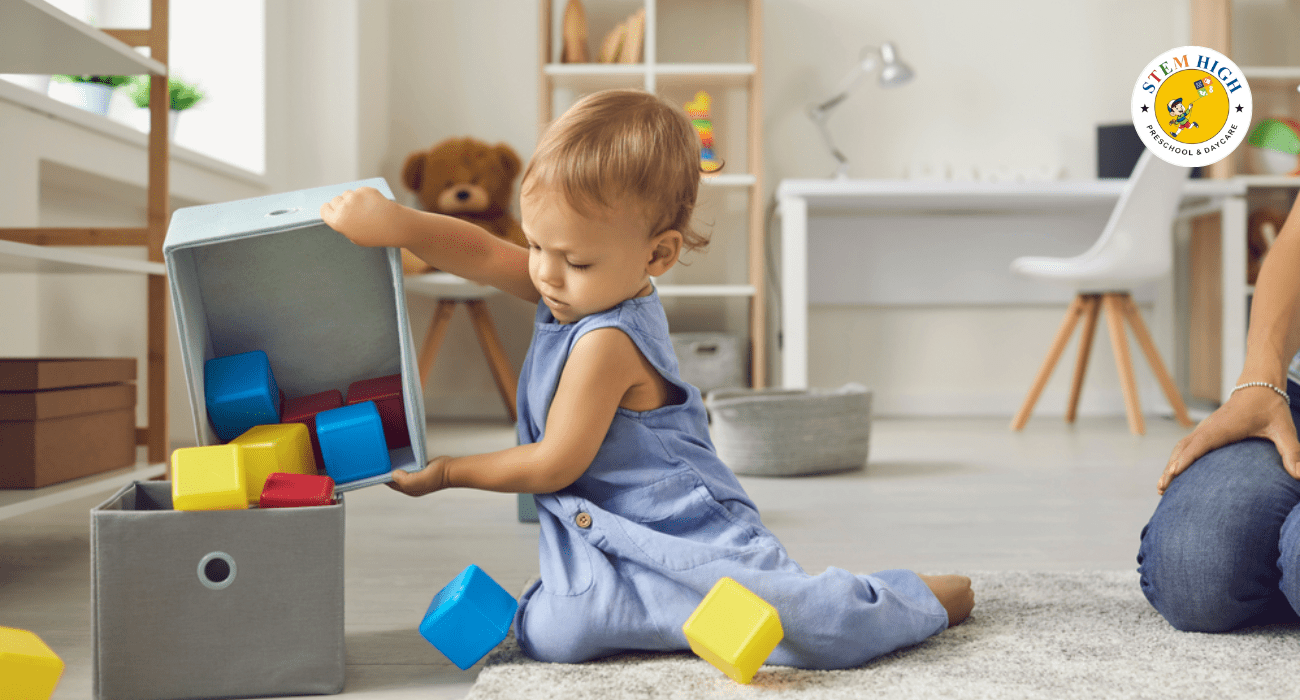
Teaching children to help with household tasks isn’t just about lightening your load as a parent—it’s about nurturing independence, responsibility, and self-confidence that will serve them throughout their lives. Many parents wonder when and how to start introducing chores, often worrying about whether their little ones are too young or if they’re being too demanding. The truth is, children as young as two years old can begin contributing to household tasks in age-appropriate ways, and the earlier you start, the more natural it becomes for them.
Before diving into the practical aspects of introducing chores, it’s important to understand why this matters so much for your child’s development. Chores teach children that they are valuable contributors to the family unit, not just recipients of care and service. This sense of contribution builds self-esteem and helps children understand that families work together as a team.
Research consistently shows that children who do chores develop stronger work ethics, better time management skills, and greater empathy for others. They learn to take ownership of their environment and understand the effort required to maintain a comfortable living space. Perhaps most importantly, chores teach children that their actions have consequences—both positive and negative—and that their contributions matter to the family’s overall well-being.
The toddler and preschool years are perfect for introducing the concept of helping. At this age, children are naturally eager to imitate adults and often want to “help” even when their assistance might slow you down. Instead of discouraging this enthusiasm, channel it into simple, manageable tasks.
For children aged 2-3, focus on basic tasks that match their developing motor skills. They can put toys away in designated bins, carry their plate to the sink after meals, or help feed pets with supervision. The key is to make these activities feel like privileges rather than burdens. Use enthusiastic language like “You get to help Mommy with the dishes!” rather than “You have to clean up.”
Three and four-year-olds can handle slightly more complex tasks. They can make their beds (don’t expect perfection), sort socks by color, dust furniture with a cloth, or help load the dishwasher by handing you items. They can also begin taking responsibility for their belongings by putting away their own clothes and toys.
During these early years, focus on building habits rather than expecting perfect execution. The goal is to establish the routine and mindset of contributing to household tasks. Praise effort over results, and remember that it will often take longer to complete tasks with their “help” initially.
As children enter school, their cognitive and physical abilities expand significantly, allowing them to take on more substantial responsibilities. This is when you can begin introducing chores with real consequences and expectations for completion.
Five and six-year-olds can handle tasks like setting and clearing the table, watering plants, sorting laundry, and keeping their rooms tidy. They can also begin taking care of personal hygiene tasks independently, such as brushing teeth and getting dressed without assistance.
Seven and eight-year-olds are ready for more involved chores. They can vacuum small areas, help with meal preparation by washing vegetables or stirring ingredients, take out trash from individual rooms, and completely manage their personal spaces. At this age, you can also introduce the concept of daily and weekly chores, helping them understand different types of responsibilities.
The secret to successful chore implementation lies in matching tasks to your child’s developmental stage and abilities. A task that’s too difficult will lead to frustration and avoidance, while tasks that are too easy won’t provide the sense of accomplishment children need to stay motivated.
Consider your child’s physical limitations when assigning tasks. A four-year-old might not be able to carry a full laundry basket, but they can certainly carry their own clothes to their room. Similarly, while a six-year-old can’t safely use sharp knives, they can tear lettuce for salad or arrange items on a serving tray.
Break larger tasks into smaller, manageable steps. Instead of asking a young child to “clean your room,” provide specific instructions: “Put all the books on the shelf, put dirty clothes in the hamper, and make your bed.” This approach prevents overwhelm and gives children clear success markers.
The attitude you bring to chores significantly impacts how your children will perceive them. If you constantly complain about household tasks or treat them as drudgery, your children will adopt the same negative mindset. Instead, model a positive approach by talking about how good it feels to have a clean, organized home and how proud you are of your family’s teamwork.
Make chores social when possible. Put on upbeat music during cleanup time, work together on larger projects, and celebrate completion with family dance parties or special activities. Many children find chores more enjoyable when they’re done alongside parents or siblings.
Consider letting children choose their chores from an appropriate list. This sense of autonomy can increase buy-in and reduce resistance. You might create a “chore menu” with different options for each day of the week, allowing children to select tasks that appeal to them while still ensuring all necessary work gets done.
Successful chore integration requires clear systems and consistent routines. Children thrive with predictability, so establish regular times for different tasks. Morning chores might include making beds and feeding pets, while evening chores could involve setting the table and tidying toys.
Visual aids work wonderfully for young children who can’t yet read or who benefit from visual reminders. Create picture charts showing each chore, or use a simple checklist system where children can mark off completed tasks. Many families find success with rotating chore charts that change weekly, preventing boredom while ensuring all tasks get attention.
Be consistent with expectations and follow-through. If Tuesday is “vacuum day” for your eight-year-old, don’t let it slide because they’re tired or busy with other activities. Consistency helps children understand that chores are non-negotiable family responsibilities, not optional activities they can avoid when inconvenient.
Every parent encounters chore resistance at some point. When children push back against their responsibilities, stay calm but firm. Remind them that families work as teams, and everyone has important jobs to do. Avoid bribing or negotiating in the moment, as this can teach children that chores are optional if they complain enough.
Instead of monetary rewards for basic chores, consider using privilege-based motivation systems. Children might earn extra screen time, later bedtimes, or special one-on-one time with parents by consistently completing their responsibilities. Some families use token systems where children earn points toward larger rewards like family outings or special purchases.
Natural consequences often work better than punishments. If a child doesn’t put their toys away, those toys might “go to sleep” in a basket for a day. If they don’t bring their dishes to the kitchen, they might need to wash them by hand before the next meal. These consequences directly relate to the uncompleted task and help children understand the real-world implications of their choices.
The habits and attitudes children develop around chores in their early years lay the foundation for their future success and well-being. Children who grow up contributing to household tasks become adults who can manage their own homes effectively, work well in teams, and understand the value of personal responsibility.
Beyond practical life skills, chores teach emotional intelligence and empathy. Children learn to consider others’ needs when they see how their contributions affect the whole family. They develop patience and persistence when tasks don’t go perfectly the first time, and they gain confidence from knowing they can handle real responsibilities.
Remember that the goal isn’t to have perfectly executed chores, but to raise children who see themselves as capable contributors to their families and communities. Start small, be patient with the process, and celebrate the growth you see along the way. The investment you make in teaching chores during childhood will pay dividends in raising responsible, confident, and caring adults.
Need help? Our team is just a message away








Comments are closed