Monday to Friday: 09:00am – 07:00pm
Sunday: Close
Email:stemhighpreschool@gmail.com
Phone:+91 8050125666
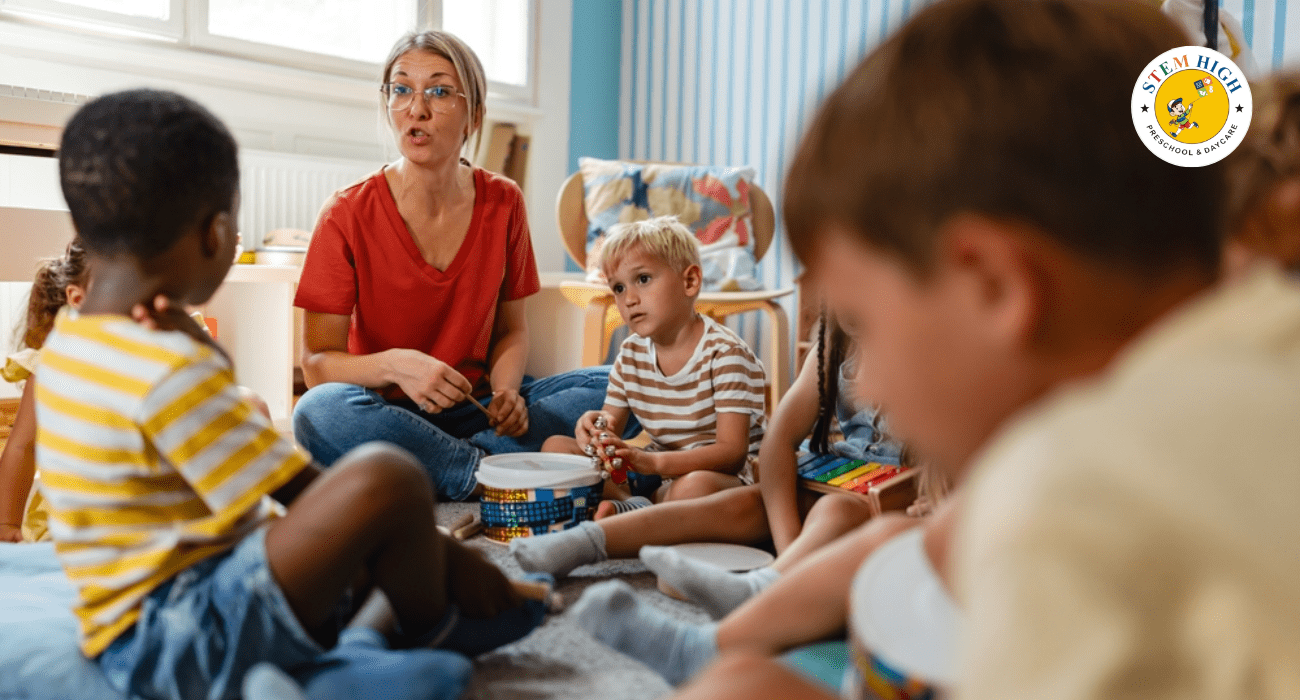
In today’s interconnected world, fostering cultural awareness and appreciation in young children has become more crucial than ever. Preschool represents a pivotal time in a child’s development when they are naturally curious, open-minded, and eager to learn about the world around them. By incorporating culturally diverse activities into early childhood education, we can help build a foundation for global citizenship, empathy, and understanding that will serve children throughout their lives.
Research consistently shows that exposure to cultural diversity during the preschool years has profound benefits for children’s cognitive, social, and emotional development. When young learners encounter different traditions, languages, foods, and customs, they develop critical thinking skills, expand their worldview, and learn to appreciate differences rather than fear them.
Cultural diversity education helps children understand that while people may look different, speak different languages, or celebrate different holidays, we all share common human experiences and emotions. This understanding forms the foundation for developing empathy, reducing prejudice, and building inclusive communities.
Moreover, in our increasingly globalized society, children who develop cultural competency early gain valuable skills that will benefit them academically and professionally. They become better communicators, more creative problem-solvers, and more adaptable individuals who can thrive in diverse environments.
Before diving into specific activities, it’s essential to establish a classroom environment that celebrates diversity. This begins with creating visual representations of different cultures through maps, flags, artwork, and photographs from around the world. Consider setting up cultural learning centers where children can explore artifacts, traditional clothing, musical instruments, and books from various countries and communities.
The physical environment should reflect the diversity of both the classroom community and the broader world. Display signs in multiple languages, showcase different family structures, and ensure that dolls, books, and play materials represent various ethnicities and cultures. This inclusive environment sends a powerful message that all cultures are valued and respected.
One of the most engaging ways to explore different cultures is through food. Organize cooking activities where children can prepare simple dishes from various countries. Making Mexican quesadillas, Italian pasta salad, Japanese rice balls, or Indian chapati provides hands-on learning opportunities that engage multiple senses.
These cooking experiences naturally lead to discussions about different ingredients, cooking methods, and eating customs. Children learn that families around the world gather to share meals, even though the foods may be different. Consider inviting families to share their cultural recipes and cooking traditions, creating authentic connections between home and school.
Music is a universal language that transcends cultural boundaries while celebrating unique traditions. Introduce children to traditional songs, instruments, and dances from different cultures. They can learn simple folk dances like the Mexican Hat Dance, try playing African drums, or sing lullabies from various countries.
Create rhythm activities using instruments from different cultures, such as maracas from Latin America, tabla drums from India, or rain sticks from South America. These musical experiences help children appreciate how different cultures express joy, celebration, and storytelling through sound and movement.
Art provides another powerful medium for cultural exploration. Children can create projects inspired by different artistic traditions, such as Aboriginal dot painting, Chinese calligraphy, Native American dreamcatchers, or African mask-making. These activities help children understand how art serves different purposes in various cultures, from storytelling to spiritual expression to celebration.
When engaging in cultural art projects, it’s important to provide context about the significance of these art forms and approach them with respect and authenticity. Invite community members or local artists to share their expertise and provide genuine cultural insights.
Stories are fundamental to all cultures, serving as vehicles for passing down traditions, values, and wisdom. Create a diverse classroom library that includes folktales, legends, and contemporary stories from around the world. Regular storytelling sessions can transport children to different places and times while teaching important lessons about character, problem-solving, and cultural values.
Consider organizing family storytelling events where parents and grandparents can share stories from their cultural backgrounds. These personal narratives create meaningful connections and help children understand the importance of oral tradition in preserving cultural heritage.
STEM High Preschool programs recognize the powerful connection between cultural exploration and science, technology, engineering, and mathematics learning. By integrating STEM concepts with cultural activities, children develop both technical skills and cultural awareness simultaneously.
Children can explore architectural traditions from different cultures through hands-on building projects. Using blocks, recycled materials, or modeling clay, they can construct igloos (Inuit), pyramids (Egyptian), pagodas (Asian), or adobe houses (Southwestern Native American). These activities naturally introduce engineering concepts like stability, balance, and design while teaching about how geography and climate influence architectural choices.
Many scientific concepts can be explored through cultural perspectives. For example, children can learn about weather patterns while studying how different cultures adapt to their environments. They might explore the science behind traditional food preservation methods from various cultures or investigate the physics of different musical instruments from around the world.
Growing plants from different countries in a classroom garden introduces botany concepts while teaching about agricultural traditions and the importance of plants in various cultures. Children can observe how rice grows differently from corn, or how herbs used in different cuisines require different growing conditions.
Mathematics appears in cultural expressions worldwide, from geometric patterns in Islamic art to the mathematical precision of Navajo weaving. Children can explore these concepts through pattern recognition activities, symmetry exploration, and basic geometry using cultural examples.
Counting games in different languages introduce mathematical concepts while building language skills. Children can learn to count in Spanish, Mandarin, or Arabic while manipulating cultural objects like abacuses or counting beads from different traditions.
Introduce children to different communication systems and technologies from around the world. They might learn about ancient forms of communication like smoke signals or drum messages, compare these to modern technology, and understand how different cultures have solved communication challenges throughout history.
Throughout the school year, acknowledge and celebrate holidays and traditions from various cultures represented in your classroom and community. This might include Chinese New Year, Diwali, Kwanzaa, Cinco de Mayo, or Eid. However, approach these celebrations with authenticity and respect, ensuring that they’re educational rather than superficial.
Invite family members to share their traditions, prepare traditional foods, or demonstrate cultural practices. These authentic experiences provide children with genuine insights into different ways of celebrating and marking important occasions.
Successful cultural diversity education requires strong partnerships with families and the broader community. Survey families about their cultural backgrounds, languages spoken at home, and traditions they’d be willing to share. This information helps create a comprehensive picture of the cultural wealth within your classroom community.
Organize cultural heritage events where families can showcase their traditions through food, music, dance, or storytelling. These celebrations strengthen the school-home connection while providing rich learning opportunities for all children and families.
Connect with local cultural organizations, museums, and community centers that can provide authentic cultural experiences. Many communities have cultural associations that are eager to share their traditions with young learners through presentations, performances, or hands-on workshops.
Regular assessment helps ensure that cultural diversity activities are meeting their educational goals. Observe how children interact with cultural materials, listen to their conversations about different traditions, and note their growing vocabulary related to cultural concepts.
Document children’s learning through photographs, work samples, and anecdotal records that capture their growing understanding and appreciation of diversity. These assessments can inform future planning and help communicate the value of cultural education to families and administrators.
Exploring cultural diversity through preschool activities creates a rich, engaging learning environment that prepares children for success in our interconnected world. By combining hands-on cultural experiences with STEM learning opportunities, programs can provide comprehensive education that develops both academic skills and cultural competency.
The goal is not merely to expose children to different cultures but to help them develop genuine appreciation, respect, and understanding for the beautiful diversity that exists in our world. Through carefully planned activities, authentic experiences, and meaningful connections with families and communities, preschoolers can begin their journey toward becoming thoughtful, empathetic global citizens.
When children learn to celebrate differences while recognizing our shared humanity, they develop the skills and attitudes necessary to build a more inclusive, understanding, and peaceful world. This foundation, established during the preschool years, will serve them well throughout their educational journey and beyond, as they become leaders in creating more culturally responsive communities.
Need help? Our team is just a message away




Comments are closed