How to Build Confidence in Young Children Confidence is more than just feeling good about oneself; it’s the belief in one’s abilities to succeed in tasks and handle life’s difficulties. Confident children are more likely to: Take on new challenges. Persevere in the face of setbacks.
Read More
Why Sensory Play is Crucial for Young Children IntroductionSensory play is an integral part of early childhood development. It involves activities that stimulate a child’s senses—touch, sight, sound, taste, smell, movement, and balance. These experiences not only engage young children but also contribute significantly to their
Read More
The Role of Parent Involvement in Preschool Success Preschool is often the first formal educational experience for young children. This period is a critical time for developing foundational skills, habits, and attitudes that will shape their future learning experiences. While educators play a pivotal role in
Read More
Teaching Preschoolers to Recognize and Express Emotions Emotional development is a critical aspect of early childhood education. Helping preschoolers recognize and express their emotions builds a strong foundation for their social, emotional, and cognitive well-being. Children who learn to understand and communicate their feelings are better
Read More
How to Nurture Your Child’s Curiosity at a Young Age Curiosity is the engine of intellectual achievement. For young children, it drives exploration, learning, and growth. At an early age, nurturing curiosity not only enhances cognitive and emotional development but also fosters a lifelong love for
Read More
Building a Positive Parent-Teacher Relationship: Key to Preschool Success The relationship between parents and teachers is a crucial element in a child’s early education. When both parties work together harmoniously, it leads to a nurturing environment that supports the child’s growth, development, and academic success. This
Read More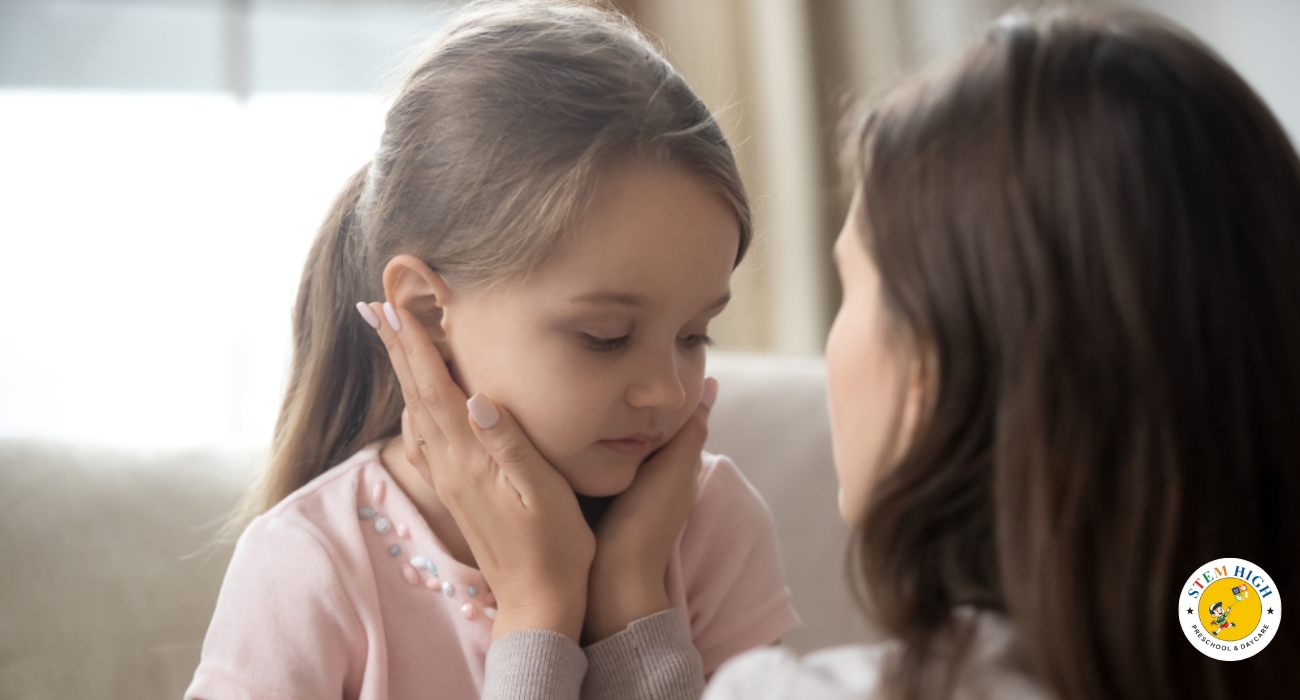
How to Teach Preschoolers About Sharing and Empathy Teaching preschoolers about sharing and empathy is crucial to their development, as these skills lay the foundation for positive social interactions and emotional understanding. During early childhood, children are just beginning to navigate the world of relationships, and
Read More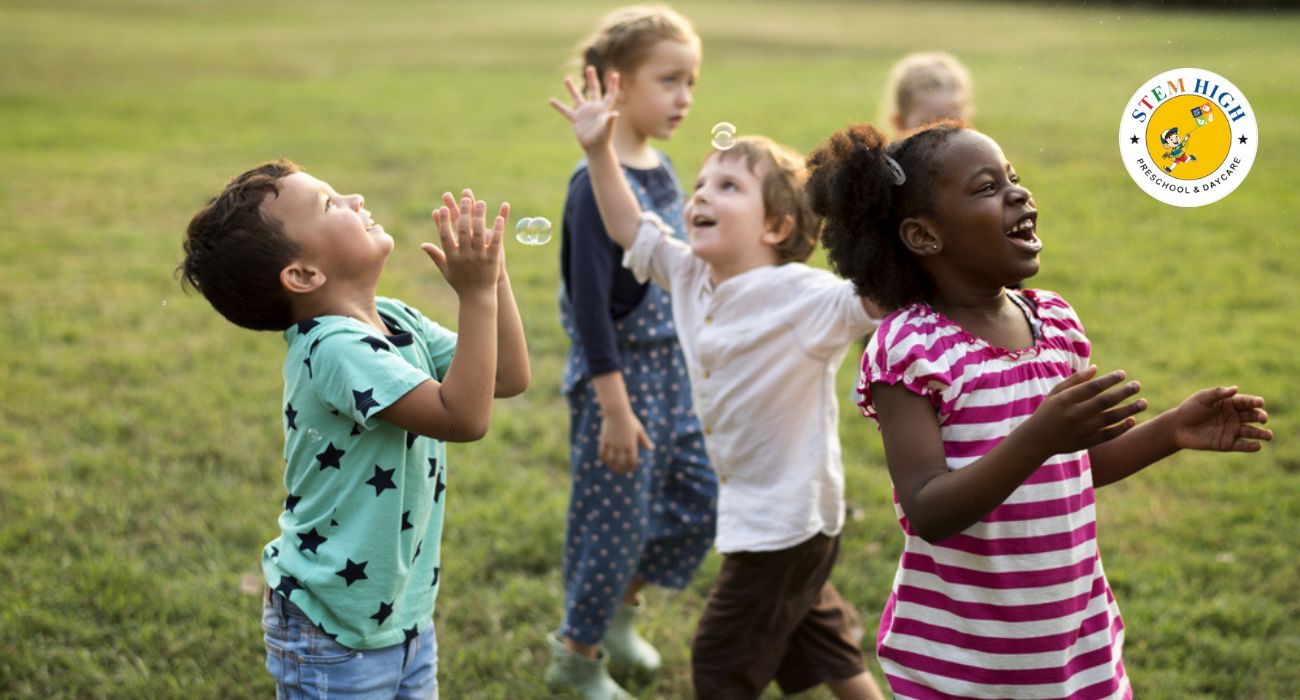
Fun and Educational Field Trip Ideas for Kids Field trips are a fantastic way to make learning fun, interactive, and memorable for kids. They provide an opportunity to step outside the classroom and explore the world around them while reinforcing key concepts learned at school. When
Read More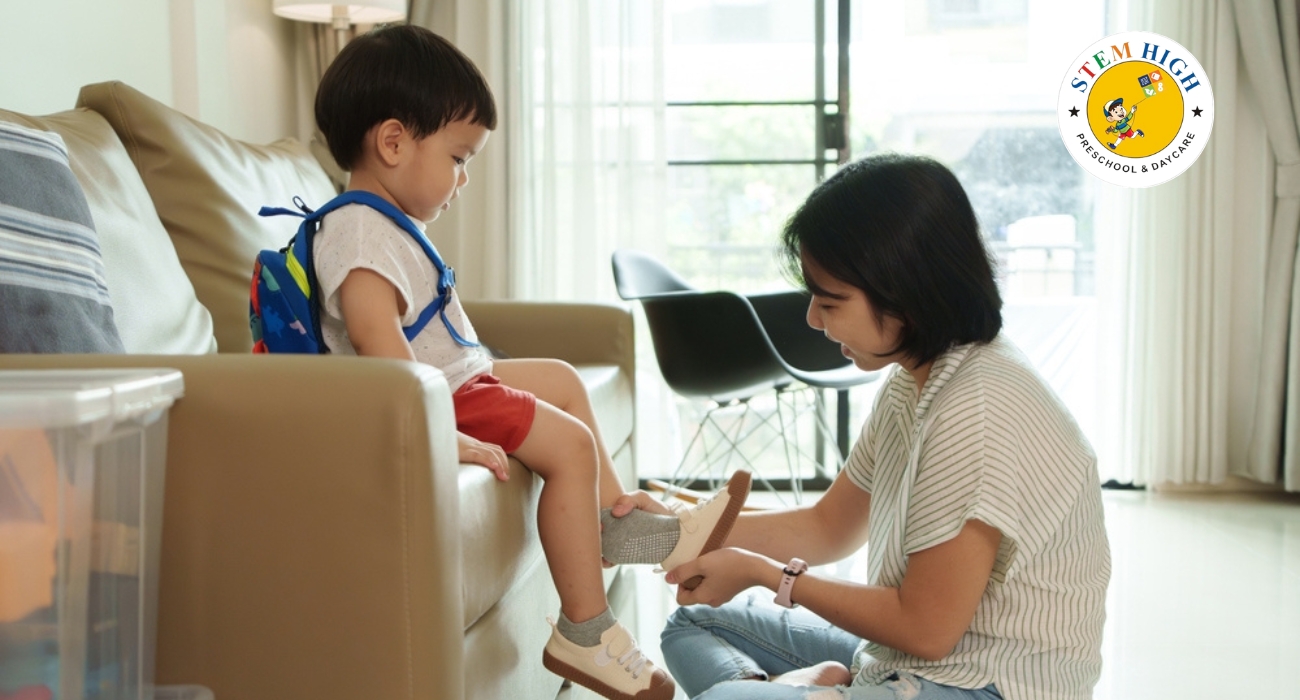
The Importance of Routine for Preschool Children Routines play a critical role in the lives of preschool children. They provide structure, predictability, and a sense of security that is essential for their development. At an early age, children are rapidly growing both physically and cognitively, and
Read More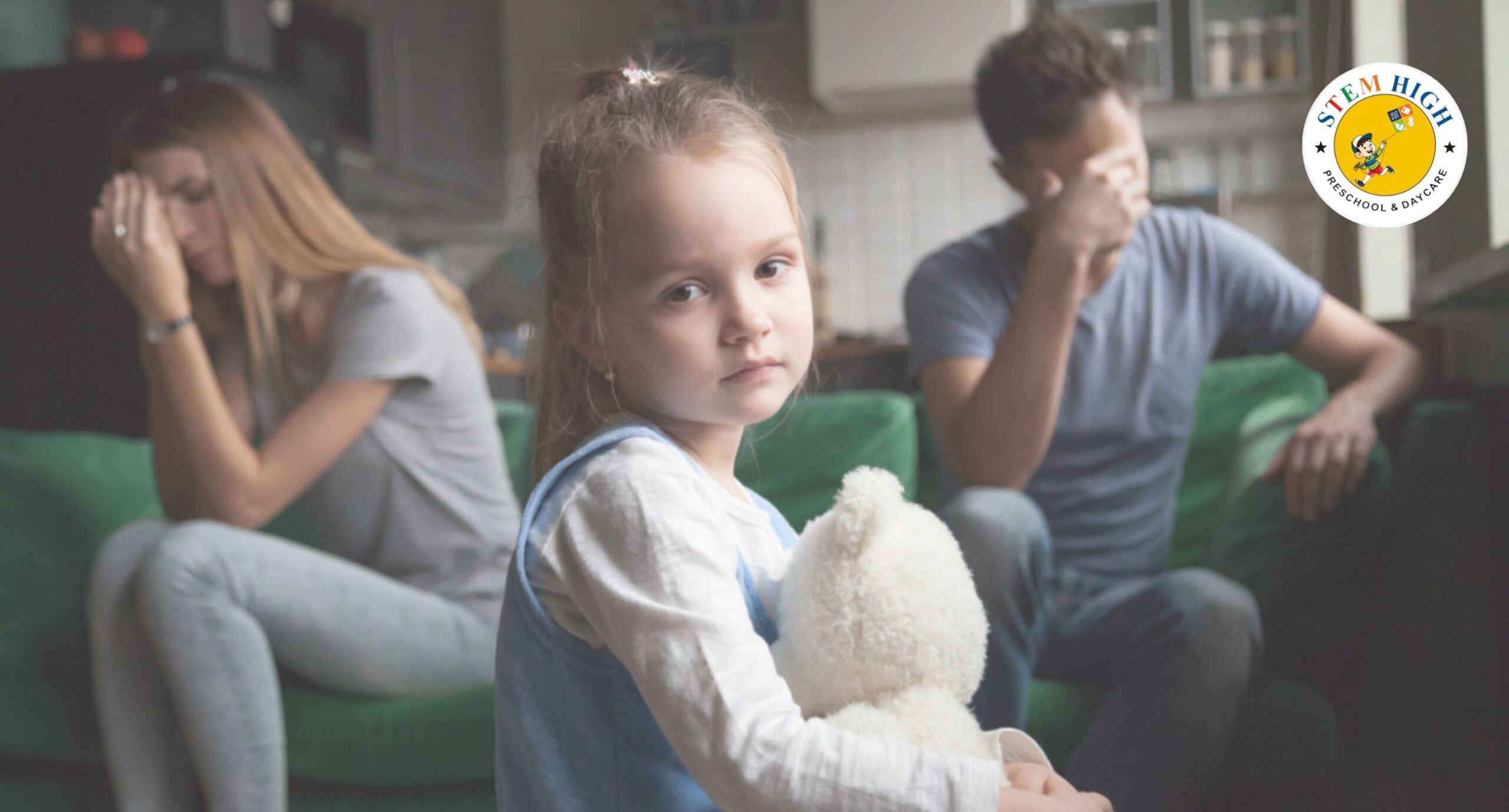
Managing Separation Anxiety in Preschoolers: A Comprehensive Guide for Parents and Educators Separation anxiety in preschoolers is a common emotional challenge that parents and educators often encounter when young children are starting their formal education journey. It can be difficult for children to understand why they
Read More