
Monday to Friday: 09:00am – 07:00pm
Sunday: Close
Email:stemhighpreschool@gmail.com
Phone:+91 8050125666
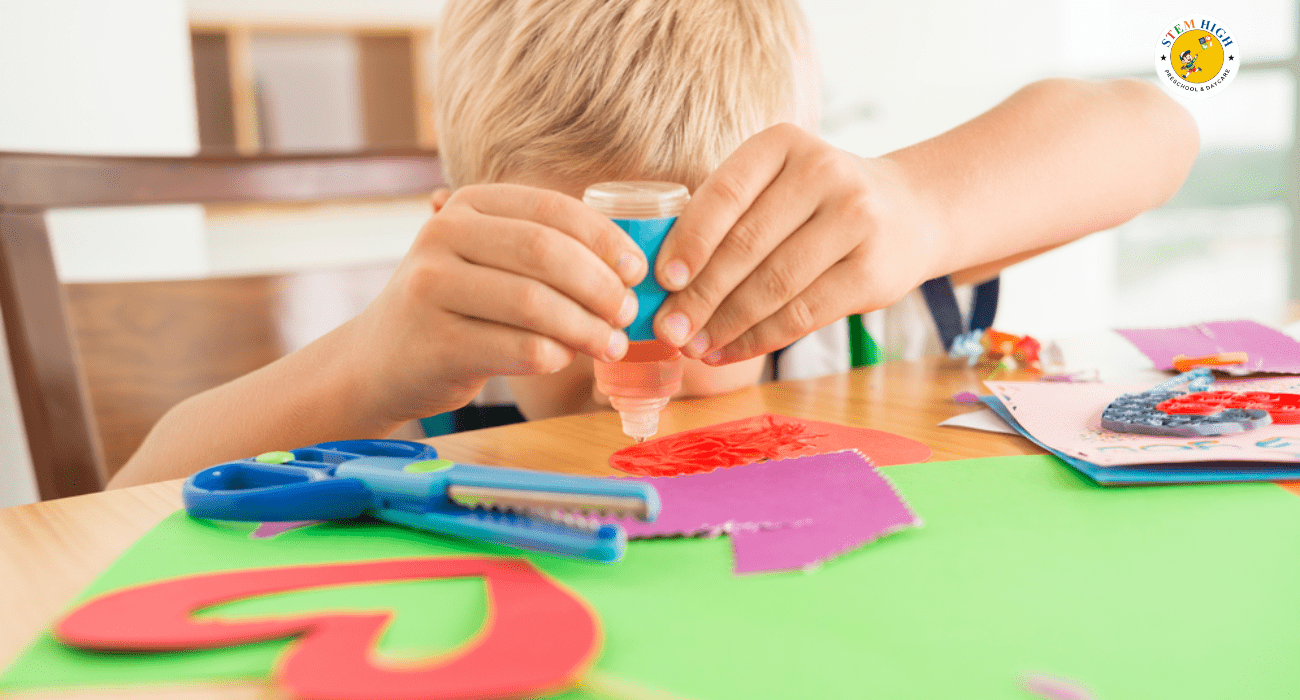
Young children thrive on structure. While preschool may seem like a place full of play, songs, and colorful activities, one of the most powerful learning tools in early childhood education is routine. A predictable daily schedule helps preschoolers feel safe, confident, and emotionally secure while also teaching them discipline in a natural and positive way.
For many children, preschool is their first experience being part of a structured environment outside the home. Through consistent routines, they begin to understand expectations, develop self-control, and learn how to navigate daily responsibilities.
In this blog, we explore how preschool routines help shape discipline and emotional security, and why a structured environment is essential for early childhood development.
Preschool-aged children are still learning how the world works. When their day is predictable, they feel more comfortable and confident about what comes next.
Routines provide children with:
When children know what to expect, they are less likely to feel overwhelmed. This stability allows them to focus on learning, playing, and building relationships.
At STEM High Preschool, daily routines are carefully designed to create a balance between structured learning and playful exploration.
Discipline in preschool is not about punishment. Instead, it is about guiding children toward positive behaviors and self-control.
Healthy discipline helps children learn:
Routines make discipline easier because they provide clear structure. When children understand what is expected at different times of the day, they naturally begin to follow those patterns.
Emotional security is essential for young children. When children feel safe and supported, they are more willing to explore, learn, and interact with others.
Young children often feel anxious when they do not know what will happen next.
A predictable routine helps them feel in control of their environment. For example, if children know that storytime always comes after snack time, they begin to relax and look forward to that activity.
This predictability helps build trust in both the environment and their teachers.
Transitions can be difficult for preschoolers. Moving from one activity to another requires emotional adjustment.
A consistent schedule makes transitions easier because children learn the flow of the day:
When these transitions become familiar, children feel more confident and cooperative.
Daily routines encourage children to take responsibility for simple tasks such as:
Over time, children begin completing these tasks independently. This independence builds confidence and discipline naturally.
At STEM High Preschool, teachers gently guide children through these routines so they gradually develop self-management skills.
Imaginative play—such as pretending to run a shop, cook food, or become a doctor—helps children think beyond the obvious.
Through pretend play, children:
This type of play strengthens creative thinking, which is essential for innovation, communication, and emotional expression.
A well-structured preschool day includes a variety of routines that support different areas of development.
The day often begins with a warm welcome. Greeting teachers and classmates helps children feel valued and connected.
This routine teaches:
Circle time is a structured group activity where children gather to sing songs, listen to stories, and discuss topics.
It helps children learn:
Circle time also builds a sense of community in the classroom.
This part of the routine includes hands-on activities such as:
These structured activities encourage creativity while reinforcing problem-solving skills. As discussed in our earlier blog on why problem-solving skills start in preschool, these experiences help children learn to think independently.
Snack time is not just about eating—it teaches valuable life skills.
Children learn:
Regular snack routines also help children understand healthy eating habits.
Physical activity is essential for preschool development.
Outdoor play improves:
Regular outdoor routines also help children release energy, making them calmer and more focused afterward.
Cleaning up toys and materials teaches responsibility.
Children learn that:
This simple routine strengthens discipline in a positive way.
Play-based learning introduces early math concepts without pressure.
Examples include:
These experiences help children develop numerical thinking and logical reasoning naturally, preparing them for formal math learning later.
Teachers play an essential role in helping children adjust to routines.
At STEM High Preschool, educators support routines by:
When routines are reinforced consistently, children feel confident following them.
The discipline children develop in preschool extends far beyond the classroom.
Routine-based learning helps children:
These early experiences lay the foundation for lifelong discipline and personal responsibility.
Parents can reinforce preschool routines by creating similar structures at home.
Helpful routines include:
When home and school routines align, children feel even more secure and confident.
Confidence grows when children feel capable and prepared.
Routines provide the framework that allows children to:
In a nurturing preschool environment, routines are not restrictive—they are empowering.
Preschool routines play a vital role in shaping discipline and emotional security in young children. By creating predictable structures, teachers help children feel safe, confident, and ready to learn.
Through daily routines such as circle time, play activities, snack breaks, and clean-up tasks, preschoolers develop independence, responsibility, and emotional resilience.
At STEM High Preschool, structured routines combined with playful learning experiences create a supportive environment where children thrive academically, socially, and emotionally.
Because when children feel secure and understand their daily rhythm, they are free to explore, discover, and grow with confidence.
Need help? Our team is just a message away








Comments are closed