Monday to Friday: 09:00am – 07:00pm
Sunday: Close
Email:stemhighpreschool@gmail.com
Phone:+91 8050125666
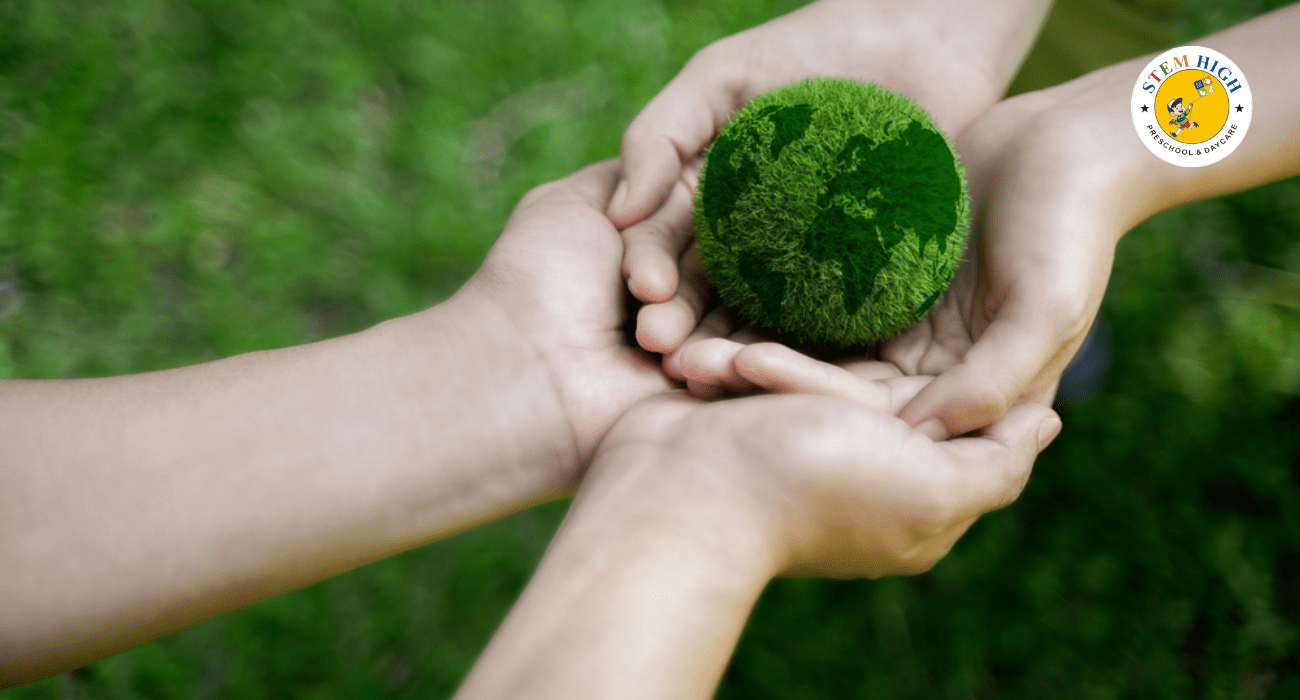
Teaching children about recycling isn’t just about sorting trash—it’s about nurturing the next generation of environmental stewards who will inherit our planet. As parents and educators, we have the incredible opportunity to shape young minds and create lasting habits that benefit both our children and the Earth. This comprehensive guide will show you exactly how to introduce recycling concepts to young children in fun, engaging, and age-appropriate ways.
In today’s world, environmental education has become crucial for our planet’s future. Early recycling education is essential for fostering environmentally conscious adults. When we teach children about recycling from a young age, we’re not just teaching them to sort materials—we’re instilling values of responsibility, conservation, and care for the environment that will guide them throughout their lives.
Young children are naturally curious about the world around them, making them perfect candidates for learning about recycling and environmental responsibility. Their developing brains are incredibly receptive to new concepts, and habits formed during childhood often persist into adulthood.
At this age, children are beginning to understand categories and sorting. They can learn basic concepts like “this goes here” and “that goes there.” Focus on:
Children in this age group can grasp more complex concepts and understand cause and effect. They can learn:
Older children can understand environmental impact and take more responsibility. They can:
Start by teaching children that the best way to help the environment is to use less. This concept is often the hardest for children to grasp in our consumption-driven society, but it’s crucial.
Practical activities:
Teach them that reducing consumption, reusing items, and recycling materials are effective ways to minimize waste. Reusing is often the most fun concept for children because it involves creativity and imagination.
Creative reuse projects:
Recycling is the most concrete concept for children to understand because it involves clear, observable actions. Just setting up labeled bins where kids can put trash, compost, and items to recycle can be enough to encourage kids to recycle paper, plastic, and more!
Learning through play is a powerful educational tool. Engage kids with hands-on activities like creating DIY recycling bins, organizing a waste-sorting game, or crafting art from recyclable materials.
DIY Recycling Bin Creation:
Waste-Sorting Games:
Art projects are excellent for showing children that recyclable materials can have beautiful second lives:
Egg Carton Crafts:
Plastic Bottle Projects:
Cardboard Creations:
Young children respond well to visual cues. Create colorful posters showing:
Use visual aids, hands-on activities, and engaging stories to capture children’s interest and make learning fun. Choose age-appropriate books that explain recycling concepts through engaging narratives and colorful illustrations.
Recommended story themes:
Creating a recycling-friendly home environment is crucial for reinforcing lessons:
Kitchen Setup:
Bathroom and Bedroom Applications:
The best way to teach your kids about recycling is to lead by example. Educate yourself on the latest updates and environmental news to spark discussions about how you can do your part at home. Children learn more from what they observe than what they’re told.
Modeling behaviors:
Try to engage children in these activities to the maximum possible extent. Let them assist with sorting recyclables, carrying out trash, or running errands that involve environmental choices.
Community involvement ideas:
Recycling is just one aspect of environmental responsibility. Help children understand the bigger picture:
Ecosystem Connections:
Conservation Practices:
Teaching recycling concepts to young children is an investment in our planet’s future. By starting with simple, fun activities and gradually building complexity, we can help children develop the knowledge, skills, and values they need to be environmental stewards.
Remember that every child learns differently and at their own pace. The key is to maintain enthusiasm, provide consistent guidance, and celebrate progress along the way. When we engage children in environmental learning through hands-on activities, visual aids, and positive reinforcement, we’re not just teaching them about recycling—we’re empowering them to make a difference in the world.
The habits and values we instill today will guide these children as they become the leaders, innovators, and decision-makers of tomorrow. By making recycling education engaging, accessible, and fun, we’re giving them the tools they need to create a more sustainable future for everyone.
Start small, be consistent, and watch as your children develop into confident, environmentally conscious individuals who understand their power to make positive change in the world.
Need help? Our team is just a message away






Comments are closed