
Monday to Friday: 09:00am – 07:00pm
Sunday: Close
Email:stemhighpreschool@gmail.com
Phone:+91 8050125666
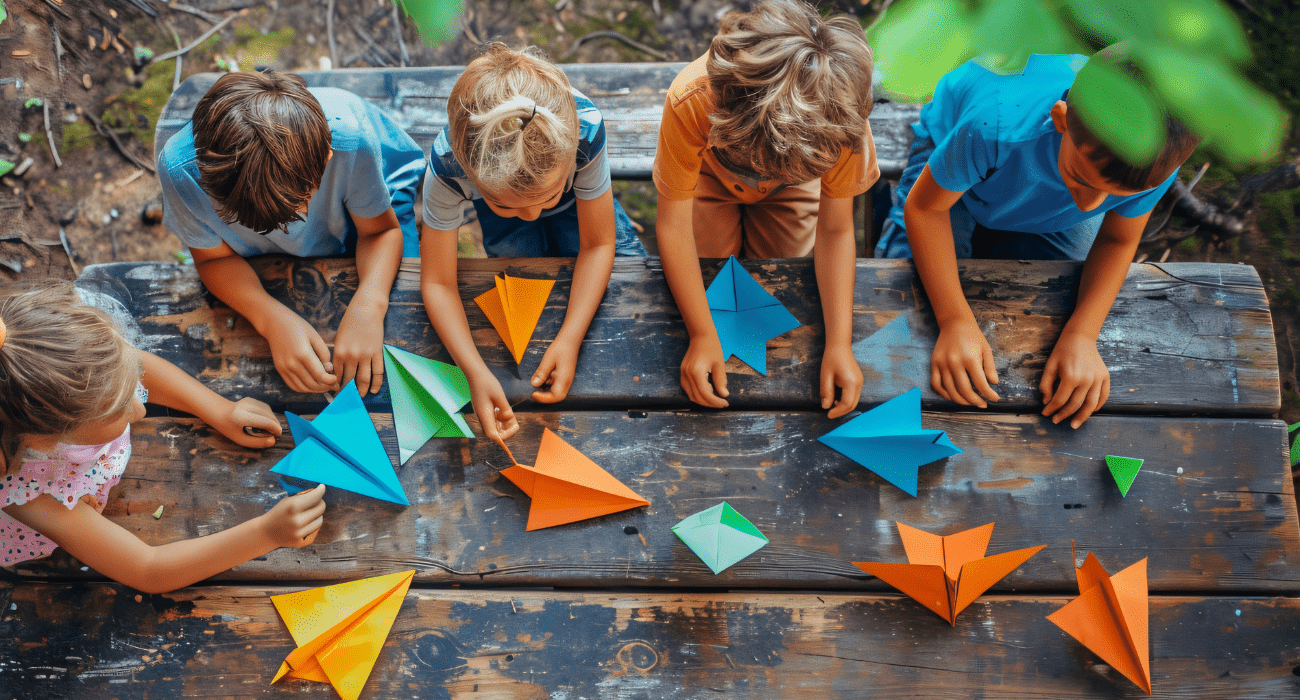
Outdoor Learning Preschool Ideas: Fun, Engaging Ways Children Learn Beyond the Classroom
Outdoor learning plays a powerful role in early childhood education. For preschoolers, learning does not happen only inside classrooms—it thrives when children explore, move, observe, and interact with the world around them. In today’s digital age, outdoor learning is more important than ever to support physical health, emotional wellbeing, and natural curiosity.
Preschools that include structured outdoor learning activities help children develop confidence, creativity, and problem-solving skills. At STEM High Preschool, we integrate outdoor learning into our curriculum to ensure holistic development through play, movement, and discovery.
This blog shares practical and effective outdoor learning preschool ideas that support early learning while keeping children happy and engaged.
Outdoor learning provides experiences that indoor classrooms cannot fully offer. When children learn outdoors, they:
Develop strong gross motor skills
Improve focus and attention
Build social skills through group play
Strengthen emotional regulation
Connect with nature naturally
Research shows that children who spend time outdoors are more engaged learners and show improved overall wellbeing.
1. Supports Physical Development
Outdoor play encourages running, jumping, climbing, and balancing. These activities help preschoolers build muscle strength, coordination, and stamina.
2. Enhances Cognitive and Problem-Solving Skills
Nature presents real-world challenges. Children learn by figuring out how to balance, build, observe insects, or collect objects—boosting critical thinking.
3. Encourages Social Interaction
Outdoor spaces allow children to play freely, negotiate rules, cooperate, and communicate with peers in a relaxed setting.
4. Improves Emotional Wellbeing
Fresh air and open spaces help reduce stress and support emotional balance, especially for young children.
1. Nature Walks and Observation
Simple nature walks allow children to observe:
Leaves, flowers, and insects
Changes in weather
Sounds and textures
Teachers can ask open-ended questions to encourage curiosity and language development.
2. Outdoor Art and Creativity
Art outdoors feels freer and more expressive. Activities include:
Painting with natural materials
Drawing on the ground using chalk
Creating leaf or stone collages
These activities support creativity and fine motor skills.
3. Gardening Activities for Preschoolers
Gardening teaches responsibility and patience. Children can:
Plant seeds
Water plants
Observe growth over time
At STEM High Preschool, gardening introduces basic science concepts in a hands-on way.
4. Sensory Play With Natural Elements
Sensory play outdoors may include:
Sand and water play
Mud kitchens
Collecting stones, sticks, and leaves
These experiences help children explore textures, smells, and sounds naturally.
5. Movement and Physical Games
Outdoor games support both learning and fitness:
Obstacle courses
Ball games
Balancing activities
Movement-based learning improves focus and self-confidence.
6. Outdoor Storytelling and Circle Time
Storytime doesn’t need walls. Sitting under a tree for stories or songs creates a calming and engaging learning environment.
7. STEM Learning Through Outdoor Exploration
Outdoor spaces are ideal for introducing STEM concepts:
Measuring plant growth
Observing insects
Building structures with natural materials
These activities nurture curiosity and early scientific thinking.
Safety ensures outdoor learning remains enjoyable:
Supervised play at all times
Child-friendly equipment
Sun protection and hydration
Clean and safe outdoor spaces
Responsible planning makes outdoor learning both safe and enriching.
Outdoor learning should be purposeful yet flexible. A balanced approach includes:
Free play
Guided activities
Group interaction
Quiet observation
At STEM High Preschool, outdoor sessions are thoughtfully planned to complement indoor learning.
Parents can extend outdoor learning by:
Visiting parks
Encouraging gardening at home
Limiting screen time
Allowing free outdoor play
Consistency between home and preschool strengthens learning outcomes.
Outdoor learning is not just play—it is meaningful education that supports physical, emotional, social, and cognitive development. By incorporating outdoor learning preschool ideas into daily routines, children grow into confident, curious, and happy learners.
At STEM High Preschool, we believe outdoor learning is essential to early childhood education. Our curriculum blends nature, play, and structured learning to create enriching experiences for young minds.
👉 Admissions Open for Preschool
Looking for a preschool that values outdoor learning and holistic development?
Book a campus visit at STEM High Preschool today.
Need help? Our team is just a message away







Comments are closed