
Monday to Friday: 09:00am – 07:00pm
Sunday: Close
Email:stemhighpreschool@gmail.com
Phone:+91 8050125666
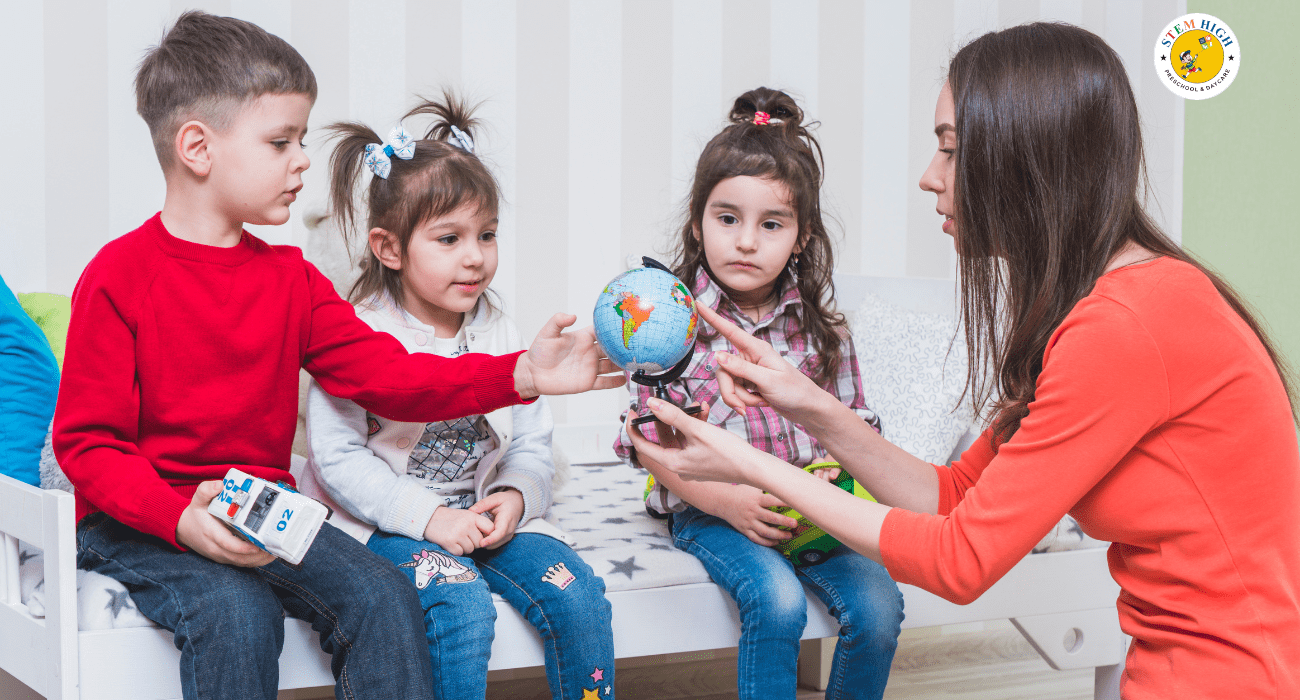
Every child is unique. Some preschoolers walk into a classroom ready to talk, explore, and make friends instantly. Others prefer to observe quietly before participating. These children are often described as introverted—and that is not a weakness. Introversion is a personality trait, not a problem to fix.
However, introverted preschoolers may need extra support to feel confident in group settings. The right preschool environment, teaching methods, and encouragement can help them gradually build self-esteem while respecting their natural temperament.
In this blog, we explore how parents and educators can help introverted preschoolers build confidence in a healthy, supportive way.
Introverted children are often:
It is important to understand that introverted preschoolers are not necessarily shy or socially anxious. They simply recharge through quiet time and may prefer smaller groups over large gatherings.
Recognizing this difference is the first step toward supporting their growth.
Confidence during the preschool years helps children:
When introverted children feel pressured to “be more outgoing,” they may withdraw further. Instead, confidence should be nurtured gradually and respectfully.
In our previous blog on How Play-Based Learning Builds Strong Thinking Skills in Preschoolers, we explored how play strengthens cognitive development. Play-based learning is also incredibly beneficial for introverted children.
Why?
Because play allows children to engage at their own comfort level.
Through play-based environments:
At STEM High Preschool, play-based learning ensures that introverted children are never forced into uncomfortable situations. Instead, they are gently encouraged to explore, think, and interact in ways that feel safe.
Introverted preschoolers often need time to adjust to new environments. Avoid labeling them as “too quiet.” Instead:
Predictability builds emotional security.
Large group settings can feel overwhelming. Smaller groups create:
At STEM High Preschool, teachers often organize small collaborative activities, allowing quieter children to contribute comfortably.
Confidence is not about being the loudest child in the room.
Praise introverted children when they:
Positive reinforcement builds internal confidence.
Some children express themselves better through:
Creative tasks allow introverted preschoolers to communicate without direct social pressure.
This connects strongly with play-based learning. Constructive and imaginative play not only develop thinking skills but also provide introverted children with a comfortable way to shine.
Saying things like:
Can damage self-esteem.
Instead, acknowledge their strengths:
Introverted children often excel in concentration and independent tasks.
Confidence grows with skill-building.
Teachers and parents can:
Structured yet gentle guidance makes social interaction feel manageable.
A supportive preschool teacher plays a major role in nurturing introverted children.
At STEM High Preschool, educators:
Teachers guide rather than force interaction. This approach ensures children feel emotionally safe while developing social skills.
Small responsibilities help introverted children feel valued.
Examples include:
These tasks give children a sense of importance and achievement without requiring constant social interaction.
Parents also play an important role in building confidence.
You can:
Confidence grows when children feel capable.
Introverted children often develop into:
When supported properly during preschool years, these strengths become lifelong advantages.
Confidence does not mean changing a child’s personality—it means helping them feel secure in who they are.
A nurturing preschool environment can make a huge difference for introverted children.
Look for a preschool that:
At STEM High Preschool, confidence-building is integrated into daily routines. Through guided play, small group interaction, and thoughtful teacher support, introverted preschoolers gradually learn to participate, express, and grow comfortably.
Introverted preschoolers do not need to become extroverted to succeed. They simply need understanding, patience, and the right environment.
By combining:
We help quiet children discover their inner strength.
Confidence is not about being the loudest voice—it is about feeling secure enough to use your own.
Need help? Our team is just a message away







Comments are closed