
Monday to Friday: 09:00am – 07:00pm
Sunday: Close
Email:stemhighpreschool@gmail.com
Phone:+91 8050125666
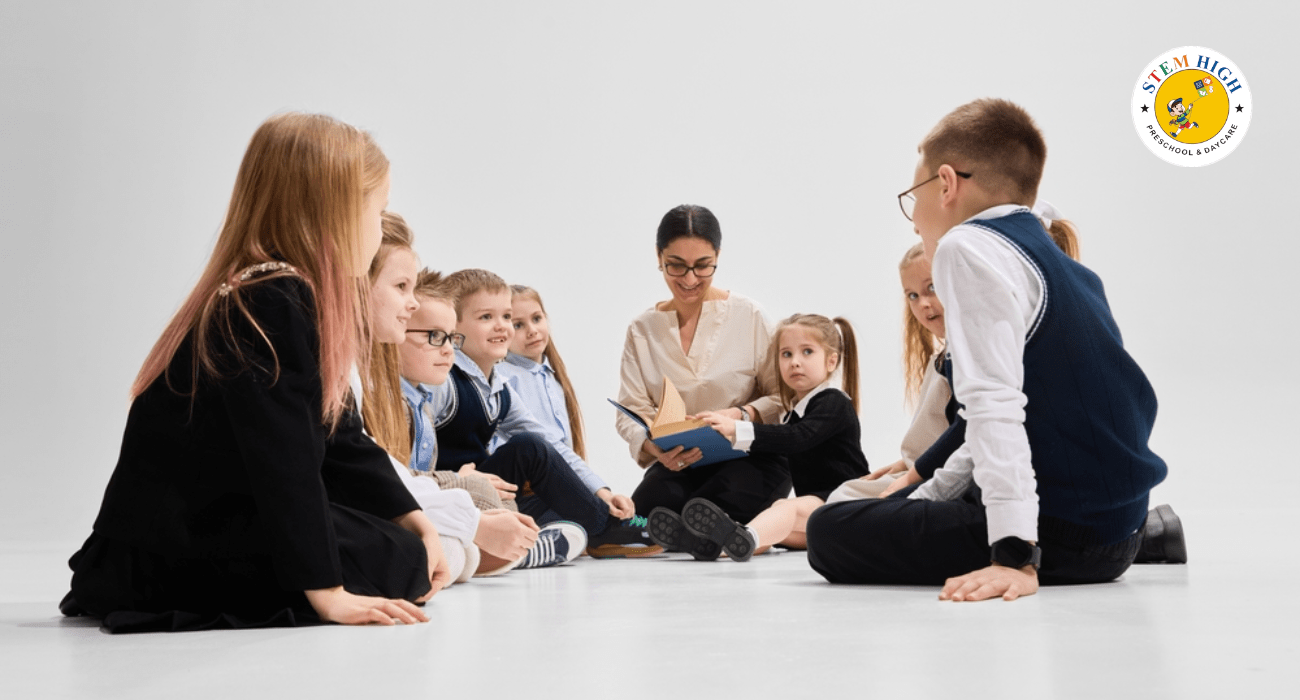
Hosting a storytime event for preschoolers is one of the most rewarding ways to foster a love of reading and learning in young children. Whether you’re a librarian, teacher, parent, or community volunteer, creating an engaging storytime experience requires thoughtful planning, creativity, and an understanding of how preschoolers learn and interact. This comprehensive guide will walk you through everything you need to know to host a successful storytime event that captivates young minds and creates lasting memories.
Before diving into the logistics of planning your storytime event, it’s essential to understand your audience. Preschoolers, typically ages 3 to 5, have unique developmental characteristics that should shape your approach. They have short attention spans, usually ranging from 10 to 15 minutes for focused activities. Their thinking is concrete rather than abstract, they learn through repetition and routine, and they thrive on interactive experiences that engage multiple senses.
Preschoolers are naturally curious and love to participate actively in stories through movements, sounds, and predictions. They’re developing their language skills rapidly and benefit from exposure to new vocabulary in context. Understanding these traits will help you select appropriate books, plan engaging activities, and structure your event for maximum impact.
The foundation of any successful storytime is book selection. For preschoolers, picture books with engaging illustrations, clear storylines, and interactive elements work best. Look for books with repetitive phrases or predictable patterns that children can join in with, such as “Brown Bear, Brown Bear, What Do You See?” or “We’re Going on a Bear Hunt.”
Consider books with strong visual appeal and illustrations that can be easily seen from a distance. The text should be simple enough for children to follow along, but rich enough to introduce new vocabulary. Themes that resonate with preschoolers include family, friendship, animals, emotions, and everyday experiences like going to school or visiting the doctor.
Plan to read 2-3 books during a typical 30-45 minute storytime session. Having backup books ready is always wise in case your planned selections don’t engage the group as expected or if you have extra time to fill.
The physical setup of your storytime space significantly impacts the success of your event. Choose a comfortable area with good visibility where all children can see the books clearly. A carpeted area with cushions or a designated storytime rug creates a cozy atmosphere that signals to children that this is a special time and place.
Ensure adequate lighting for reading while maintaining a warm, inviting ambiance. Consider the acoustics of your space and position yourself where your voice will carry well to all participants. Remove potential distractions and have all materials organized and easily accessible before children arrive.
The seating arrangement should encourage participation while maintaining order. A semicircle formation works well, allowing children to see both the book and each other while keeping the storyteller as the focal point.
A well-structured storytime follows a predictable pattern that helps children feel secure and engaged. Begin with a welcome song or chant that signals the start of storytime and helps children transition into the activity. This routine element builds anticipation and helps establish the special nature of the time together.
Follow your opening with your first book, then incorporate movement or interactive activities between readings. This might include fingerplays, simple songs with motions, or stretching exercises. These breaks are crucial for maintaining attention and allowing children to process what they’ve heard.
Your second book can be followed by another brief activity, and if time permits, a third shorter book or poem. Conclude with a closing song or ritual that provides closure and signals the end of the formal storytime portion.
Preschoolers learn best when they’re actively engaged, so incorporating interactive elements throughout your storytime is essential. Encourage children to make predictions about what will happen next in the story, ask them to identify colors, shapes, or objects in illustrations, and invite them to join in with repetitive phrases or sounds.
Physical movement activities keep children engaged and help kinesthetic learners process the stories. Simple actions like pretending to walk like different animals, stretching like trees, or marching like characters in the story add energy and fun to the experience.
Fingerplays and action rhymes serve multiple purposes in storytime. They provide movement breaks, support language development through rhythm and repetition, and offer opportunities for children to practice following directions and coordinating movements.
Working with a group of preschoolers requires patience, flexibility, and strong group management skills. Establish clear, simple expectations at the beginning of each session. Use positive reinforcement to encourage good listening and participation, and have strategies ready for managing disruptions without derailing the entire program.
Some children may be shy and prefer to observe rather than participate actively, while others may be overly enthusiastic. Create an inclusive environment where different participation styles are accepted while maintaining enough structure to keep the group focused.
Be prepared to adapt your plans based on the group’s energy level and engagement. If children seem restless, add more movement activities. If they’re particularly engaged with a book, take time to explore it more deeply through discussion or additional activities.
A successful storytime event extends beyond the books themselves. Plan complementary activities that reinforce themes and vocabulary from the stories you’ve shared. Simple craft projects using basic materials like paper, crayons, and glue sticks can help children process and remember story elements.
Consider incorporating sensory experiences related to your books. If you’re reading about different textures, bring materials for children to touch. If your story involves cooking or food, consider simple tasting activities or pretend cooking games.
Music and movement extensions help children embody story elements and can be particularly effective for supporting memory and comprehension. Create simple songs about story characters or themes, or use recorded music that complements your book selections
Successful storytime events require thorough preparation. Practice reading your selected books aloud multiple times before the event, paying attention to pacing, inflection, and opportunities for audience participation. Mark pages where you want to pause for discussion or interaction.
Prepare all materials in advance and have them organized in the order you’ll use them. Create a simple timeline or outline of your planned activities to help you stay on track while remaining flexible enough to adapt to the group’s needs.
Consider having a helper or volunteer assist with materials, group management, or individual children who may need extra support. Brief any helpers on their role and your expectations beforehand.
Storytime events provide excellent opportunities to build connections within your community. Encourage parents and caregivers to attend and participate alongside their children. Provide information about library resources, local literacy programs, or upcoming events that families might enjoy.
Consider partnering with local organizations, schools, or businesses to enhance your programming. Guest readers from the community, themed events tied to local celebrations, or collaborations with children’s museums or nature centers can add variety and excitement to your regular programming.
Hosting a storytime event for preschoolers is both an art and a science, requiring careful preparation, genuine enthusiasm, and the flexibility to adapt to your young audience’s needs. The investment in creating these experiences pays dividends in children’s literacy development, social skills, and lifelong love of books and learning.
Remember that every storytime is an opportunity to make reading magical for young children. Your enthusiasm, creativity, and genuine care for their learning experience will shine through and inspire both children and their families to continue exploring the wonderful world of books together. With practice and dedication, you’ll develop the skills and confidence to create storytime experiences that children will remember and treasure long after they’ve grown.
Need help? Our team is just a message away








Comments are closed